- Green Queen Future Food Weekly
- Posts
- Consumers Say They Hate UPFs, While Maxxing on Added Protein Everything - Future Food Weekly
Consumers Say They Hate UPFs, While Maxxing on Added Protein Everything - Future Food Weekly
Plus: Cow-free lactoferrin gets FDA nod, JBS's new protein center, and Starbucks' protein drinks. This and more in Green Queen Media's global roundup on future food news.


Sonalie Figueiras & Nicola Spalding
April 09, 2026
Morning folks,
There’s a tension in the food conversation right now that I’ve been mulling. On one side, consumers say they don’t want ultra-processed foods. They’re wary of long ingredient lists, additives they can’t pronounce, and products that feel engineered more for shelf life and margin than for nourishment. The anti‑UPF narrative is at a fever pitch: MAHA (Make America Healthy Again) has built a whole movement around it, and California is now talking about a dedicated anti‑UPF label. The story we keep hearing is that people are desperately trying to eliminate ultra‑processed foods from their diets.
On the other side, those same consumers are enthusiastically buying products that are, if we’re honest, very much ultra‑processed. The biggest CPG trend right now is “protein‑maxing”: adding protein to drinks, chips, cereal, cookies, ice cream and bars. None of that is “whole food eating.” These are highly formulated, packaged products that squarely sit in the ultra‑processed bucket, just with a wellness gloss. Beyond Meat’s latest moves are a case in point. Beyond says its sparkling protein drinks have been a hit. The company is already talking about expanding the line. This is all while its plant‑based meat sales are struggling, in large part because consumers say Beyond’s meat-mimicking products feel too ultra-processed. So we have this odd situation where the culture loudly rejects UPFs in some verticals, while embracing protein‑fortified UPFs in others.
Part of what this tells me is that consumers aren’t always the best at articulating what they actually like, and media narratives are not always a reliable guide to what’s really going on. When people say they don’t want UPFs, what they often mean is that they don’t want junk: foods that feel cheap, empty, and disconnected from any notion of “realness” or health. But if a product feels functional (more protein, more fibre), fits seamlessly into their routine, tastes good, and is marketed in a way that signals “better for you,” many will buy it even if it’s heavily processed. People are not rejecting processing itself. They’re rejecting products that feel over-engineered, overly synthetic, or too obviously trying to imitate something else.
That’s where this gets interesting for the future food space. There’s a clear gap between the rhetoric (“whole foods, anti‑UPF”) and the revealed preference (“give me convenient, tasty, health‑coded products”). The question for alternative protein is whether it can lean into that middle ground, processed enough to be convenient and appealing, but not so over‑engineered that it trips the UPF alarm, and whether it can talk to consumers in the language they actually use to make decisions: health, ease, taste, family, routine.
-Sonalie
Courtesy of All G
💡 Only On Green Queen
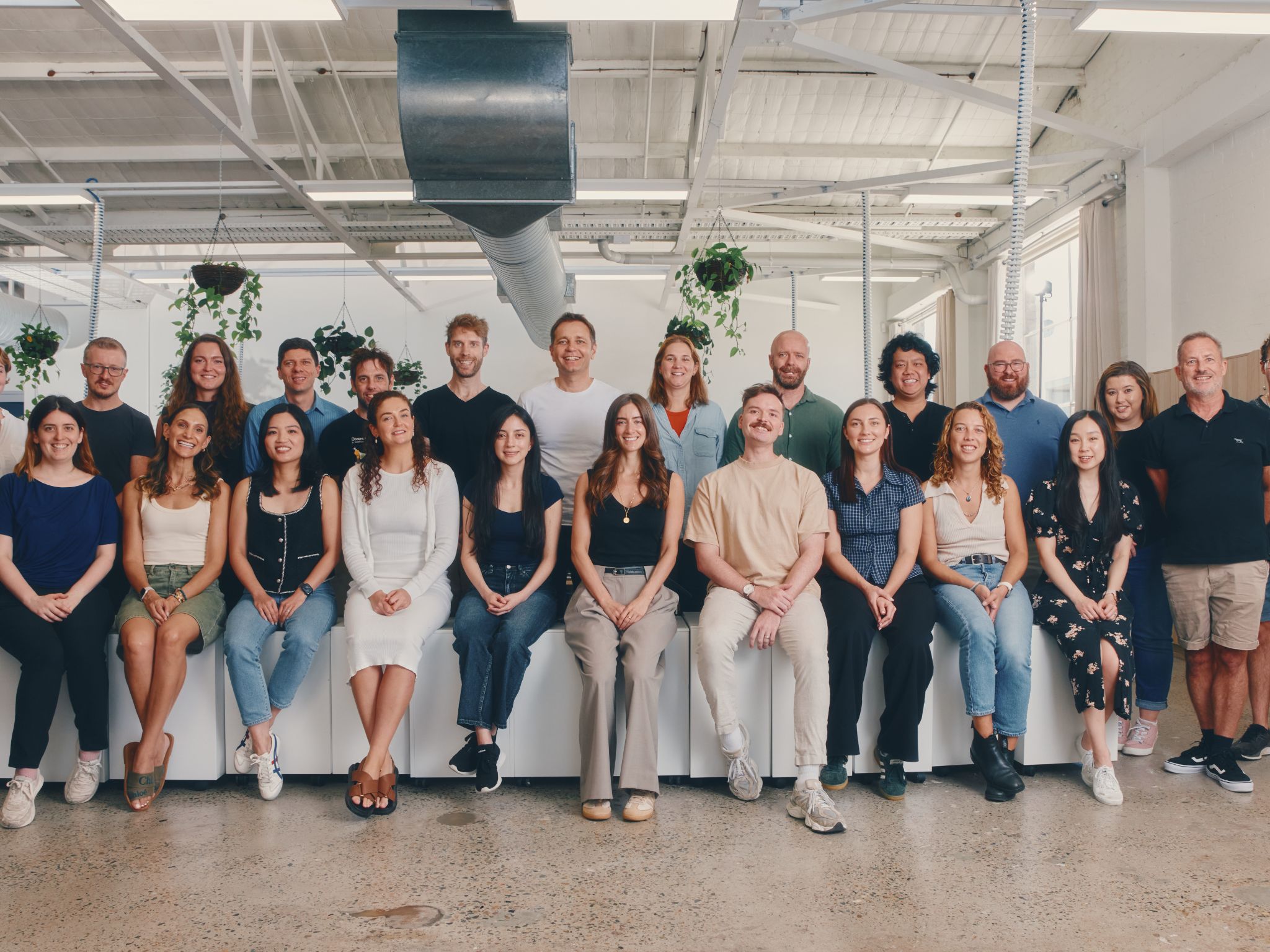
🧪 Exclusive: All G Earns FDA Approval to Sell Cow-Free Lactoferrin Protein in US
Australian startup All G has received a ‘no questions’ letter from the US FDA for its precision-fermented lactoferrin ingredient, which it will begin selling “within months”.
🥥 How Cocojune Captured the US Dairy-Free Yoghurt Category with Protein & Probiotics
A plant-based protein yoghurt that matches its dairy counterpart? Only Cocojune’s coconut alternative fits this description in US taste tests—the company explains why.

Courtesy of BRIC-NABI
🌍 Policy & Regulation
🇺🇸 Bipartisan Bill Seeks to Expand US Plant-Based Biomanufacturing with Tax Incentives
A new US House bill aims to cut taxes on bio-based chemicals and materials derived from plant-based crops.
🇮🇳 India’s ‘Smart Protein’ Sector Gets Another Boost with Two Govt-Backed Biotech Facilities
In its latest biotech drive, the Indian government has launched a new incubator for food tech startups and begun construction on a $4.5M biofoundry for alternative proteins.
🩺 Less Meat, More Plants: MAHA Groups & American Heart Association Counter US Dietary Guidelines
The American Heart Association prioritises plant proteins over meat, while MAHA-aligned groups push a shift away from processed meat.
🇪🇺 World’s Largest Food Companies Call on EU to Include Novel Foods in Regulatory Sandboxes
The EU’s decision to exclude novel foods from regulatory sandboxes under the Biotech Act is facing pushback from the food industry, including a trade group representing the sector’s largest companies.
🥩 Wisconsin Governor Vetoes Bill Attempting to Ban Cultivated Meat
Wisconsin’s move to restrict the labelling and sale of cultivated meat is rejected after Governor Tony Evers says the bill would create “more questions than it would answer.”
🛒 California Certified: America’s Largest State Proposes Non-UPF Label for Food Producers & Supermarkets
California is considering a new bill seeking to create a non-ultra-processed seal that food manufacturers can use on packaging, and grocery stores would be required to prominently display.

Courtesy of The Bridge
💰 Funding News
🇮🇹 The Bridge Is Acquired by Investment Firm Ambienta
Italian plant-based dairy pioneer The Bridge has been acquired by asset manager Ambienta, with the founding Negro Marcigaglia family reinvesting in the 32-year-old company.
🇧🇷 JBS Opens $37 Million Superprotein Centre in Brazil
Brazilian meat behemoth JBS has opened a $37M facility to produce what it calls “superproteins”, which include microbial and cultivated proteins, targeting supplements and precision nutrition.
🍄 UK Startup Fermtech Gets $3.3M to Make Climate-Friendly Cocoa Alternative from Waste & Fungi
UK food tech firm Fermtech has raised £2.5M ($3.3M) to scale up production of Koji Cocoa, a planet-friendly ingredient derived from cocoa shells and fermentation.
Courtesy of Umami United
🤝🏽 Industry Partnerships
🇩🇰 Novonesis & DTU Convert Carbon Into Protein as Part of Bill Gates-Backed Project
Novonesis has partnered with the Technical University of Denmark’s Bright hub to transform waste CO2 into sustainable protein as part of the Acetate Consortium backed by the Gates and Novo Nordisk Foundations.
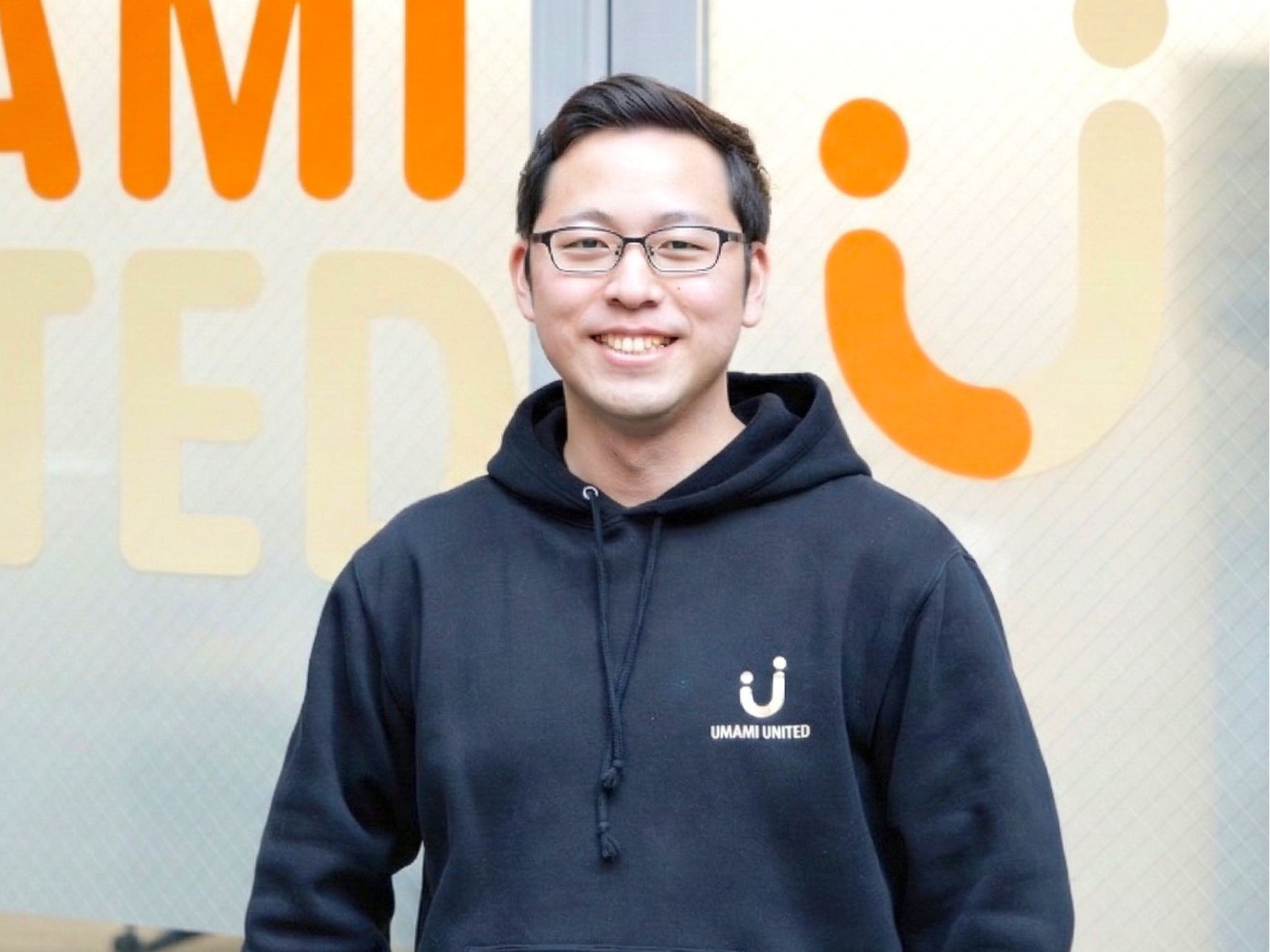
🥚 Japan’s Umami United & Tokyo Denki University Recreate Egg Proteins with Plants
Japanese vegan egg producer Umami United has partnered with the Tokyo Denki University on a research project to recreate the functionality of eggs with plant-based ingredients.
Courtesy of Clean Food Group
🚀 Everything Else In Future Food
🍔 Beyond Burger & Steak Become First Plant-Based Meat Products Certified As Climate Solutions
Amid debate about the company’s shifting priorities, Beyond Meat’s burger and steak have become the first plant-based meat products to qualify for the climate solutions certification.
🥤 Starbucks Brings Protein Drinks to Europe, Including Lattes with Alpro Soy Milk
Starbucks has teamed up with Danone to launch protein lattes featuring Alpro’s protein-boosted soy milk in Central Europe. Plus, it has introduced protein cold foams in EMEA, although they’re not plant-based.
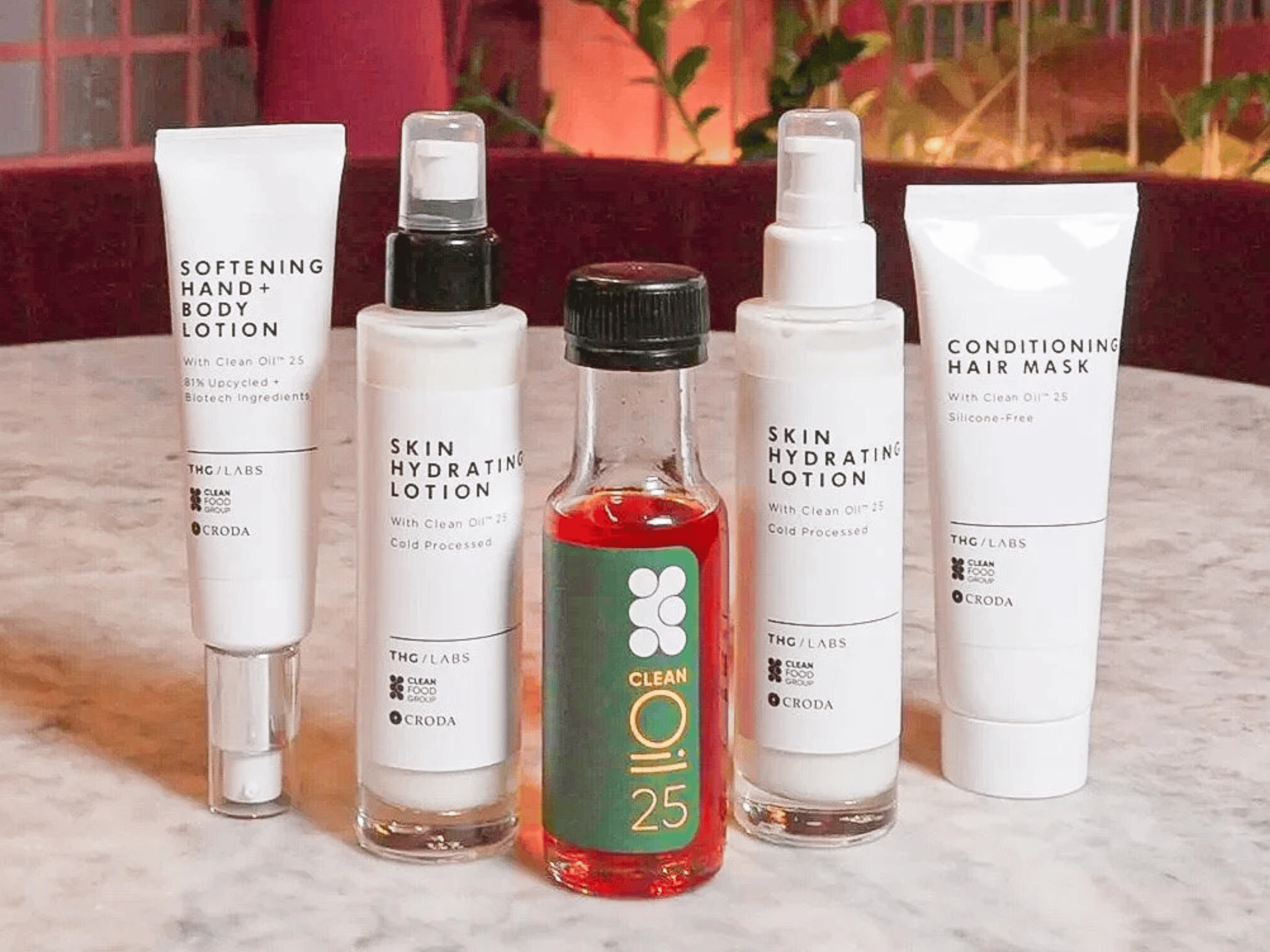
🌴 Clean Food Group Unveils Eco Cosmetics Oil Made from Yeasts Fed on Surplus Bread
UK biotech startup Clean Food Group has launched CleanOil, a waste-derived yeast fat that can help the beauty and cosmetics sector shift away from the planet-harming palm oil.
🌱 Meat-Free Restaurant Chain Clover Food Lab Seeks New Buyer to Avoid Closure
US fast-casual chain Clover Food Lab, one of Greater Boston’s most well-known meat-free establishments, risks mass layoffs and closure if it doesn’t find a new buyer before June.
🌱🍔 Future Food Quick Bites
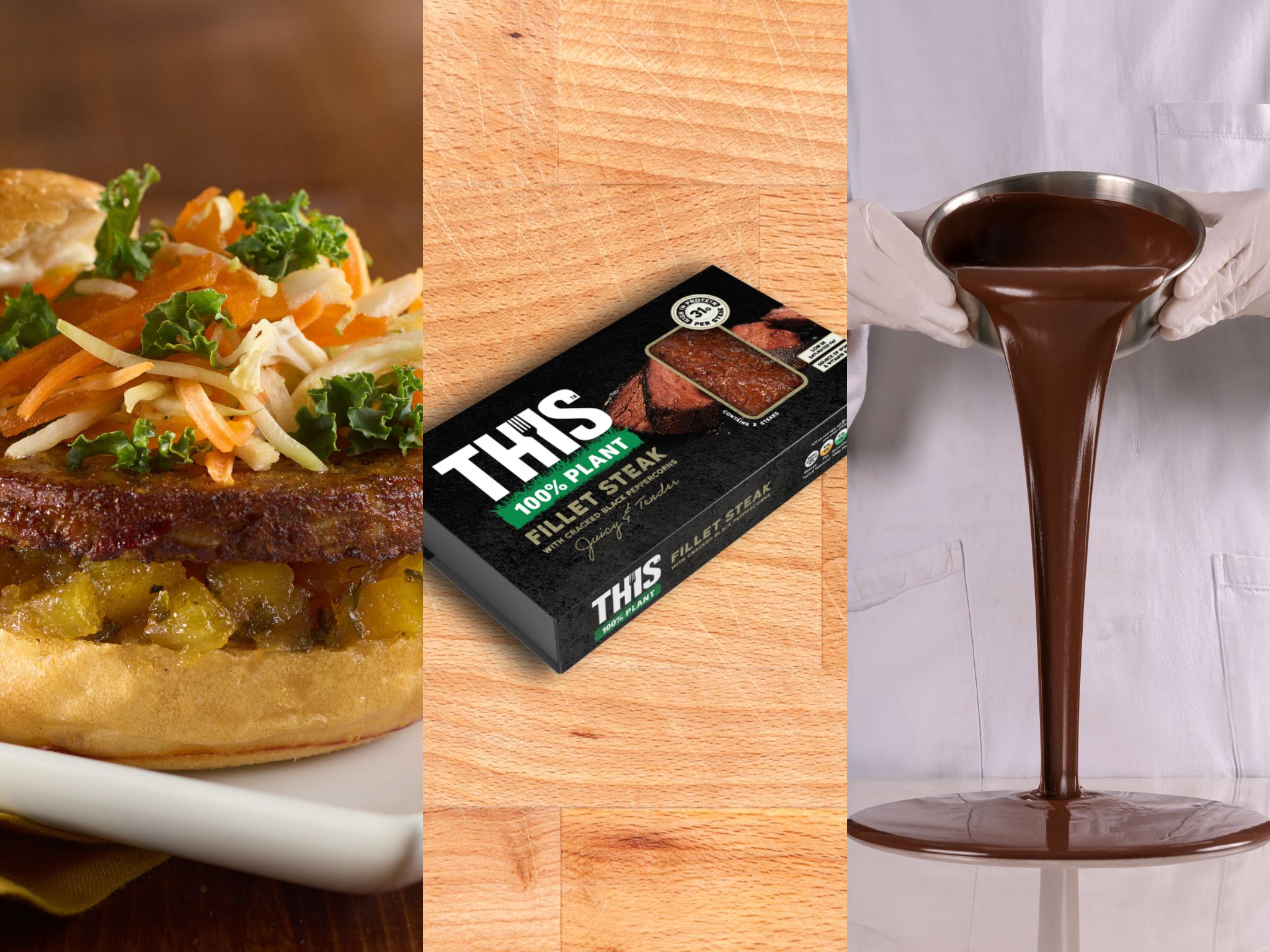
Image courtesy of Morningstar Farms/This/221A/Getty Images/Daniel Schvarcz
In our weekly column, Future Food Quick Bites, we round up the latest news and developments in the alternative protein and sustainable food industry. This week, Future Food Quick Bites covers THIS’ whole-cut steak fillet, Planet A Foods’s cocoa-free Easter eggs, and Morningstar Farms’s veggie burger.
📆 Scene & Heard

🚀 Join Sonalie at the Hong Kong Sport & Sustainability Summit 2026
🏉 Green Queen’s founder and editor-in-chief Sonalie Figueiras will be speaking at next week’s Hong Kong Sport & Sustainability Summit 2026 on a panel discussion aimed at rethinking event F&B, think lower carbon menus, smarter sourcing, and packaging that doesn’t trash the planet. Register to attend here.
👸🏽 Green Queen’s founder and editor-in-chief Sonalie Figueiras has been named one of the 99 most influential women in global agrifood-tech by industry consultancy TheFoodCons.
🏆 Forward Fooding has released its 2025 FoodTech 500, a global ranking of AgriFoodTech startups and scaleups, highlighting 500 companies at the intersection of food, technology, and sustainability using criteria such as business size, digital presence, and sustainability practices.
Daily news for curious minds.
Be the smartest person in the room. 1440 navigates 100+ sources to deliver a comprehensive, unbiased news roundup — politics, business, culture, and more — in a quick, 5-minute read. Completely free, completely factual.
The world’s leading global food system founders, investors, policymakers and corporate execs read Future Food Weekly → subscribe now.